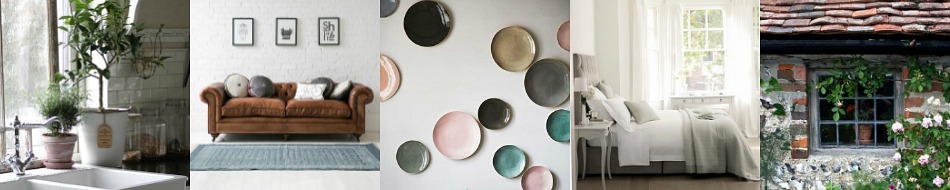
I love those bits in magazines that tell you the Editor's favorite picks for the months. So, for this week I thought I would list a few of my favorite decorating items and websites. Things that I either covet or already own.

Artichoke Lamp Created by Danish architect Poul Henningsen, in 1958. I am not sure what it is that I love so much about this lamp (I don't even like artichokes) but the design is one that is also studied and admired world wide. It is truly timeless and would look at home in any setting (modern or traditional). www.scandinaviandesign.com/poulHenningsen/index.htm
Photographs by Ted ScottTed Scott photographs and digitally enhances the sights and sounds of New Zealand, it's people and landscape. I have several of the 8 x 10 prints in my home. One of my absolute favorites is a composed photograph of Sheep and Sailboats. Ted's photographs can be purchased for a very small amount of money and the quality is exceptional.www.fotofile.co.nz
 SofasMade to order by a company called Cool Sofa's. Fabrics, design and size can all be custom made for a very good price. The website allows you to experiment with your designs on the computer and you can request samples of the fabric for a very nominal fee.www.coolsofa.com
 Handmade and Vintage ItemsA website devoted totally to entrepreneur's who make or sell handcrafted and vintage items. Everything from handmade stationery to jewelry and clothing. It is all unique and there is the satisfaction of knowing you are supporting a home business. Many things can be custom ordered to your specifications.www.etsy.com
  Leaf Garland LampThe second pendant lamp on my list (I actually had five but narrowed it down fearing a bit of a fetish). This lamp has been on my "to buy" list for about 10 years. In silver, I know that it would probably look a little crazy in my house but I love the ethereal shapes of the leaves, the whimsy of it.www.moma.com
 Linens, china, glassware, utensils, furniture, lighting, countertops, flooringEverything can be found at Ikea, either online or at the store. Items are less expensive and better quality than mid-priced retail stores. The only downside is that the turnover is huge, buy when you see it as it may not be back for a while. All furniture can be tested out at the store and usually ordered in many different styles and colors. If you want style within a budget then this is the place to go.www.ikea.com
 Thrift Stores, Habitat ReStores, Mission Stores, Salvation Army etcI love wandering around these stores. Several pieces of furniture in my home were bought here, usually the price of delivery was more than the cost of the item. If you are looking for something specific it is best to go often, dealers are always scouting these places for antiques and great bargains they can re-sell at an amazing profit. The best things to buy are sofas and chairs (reupholster or change the pillows if needed or add taller legs if they are too low) dressers, bookshelves, china and vintage kitchenalia.
 Lady in Red by Rose Thummel
I bought this painting several years ago and I never tire of looking at it. It's never too late to start a wish-list. Keep a website file in your computer (or just cut out pictures from magazines and pin them to the wall). I am almost certain that one day what you want will find it's way into your home...
I grew up in New Zealand. The photograph above is of the beach down the street from my house. I never appreciated it until I moved away. Now I live in New Jersey and when Summer hits I always feel the need for water, sand and sun. Last week I went to the beach twice. I found that once there I never wanted to leave. Both experiences were totally different but equally as much fun. The first day we went to Coney Island in Brooklyn, New York. If ever there was a place that confronted the senses head on it would be Coney Island and the surrounding area. After visiting the NY Aquarium we walked onto the Boardwalk for lunch. The boardwalk is made of wood and very wide, sand and ocean on the left and the Amusement Park on the right. The original Amusement park was shut down years ago but then reopened with modifications a short time later. There are vestiges of the old amusements; some working and some left to slowly fall apart. I know that eventually the ones that are not being maintained will have to be removed, for safety reasons, but for now they are a fond memory for those of us who visited it years ago.After lunch we went to the beach. The beach was so crowded that to relax and listen to the ocean was not on the agenda. But people-watching was. There were people there from all walks of life, some were in bathing suits but many were in street clothes with their pants rolled up and their shirts unbuttoned. Many were children straight from school; still carrying backpacks and in school uniforms, their parents yelling at them to hold their shoes up out of their waves. The day was warm and there were street vendors walking the beaches selling homemade jewelry and bottles of water. It reminded me that summer should be what we make of it. Grasp the moments when you can and don't worry if your not exactly prepared for it, just enjoy. The next day we went to Spring Lake in New Jersey. An area filled with Victorian homes and a small town center with Antique shops and ice cream parlors. The boardwalk is more modern but it is long and welcoming to anyone who wants to walk it or ride their bicycle along it. There aren't rides or amusements but there is a small pavilion and outdoor showers. It is very beautiful, sailboats pass by and you are almost certain to see dolphins and ferries. The ocean was rough that day, to watch it from a distance was relaxing but not very safe for those who wanted to swim or surf. The children played at the very edge while the lifeguards were kept busy curtailing the adults who needed to show off their surfing skills.On both days I left sunburned, happy and tired. When I got home I realized that my home needed to reflect the summer days a bit more and I wanted that carefree feeling to blend seamlessly from the outside to the inside.So, after two days at the beach here are my ideas for Summer decorating:Color. - If you want to create a festive mood use bright colors like reds, greens and blues or,- Use greys, whites, blues and pale yellows for a more serene feel.Organic.- Pick branches from a tree, buy a bunch of flowers at the farm or supermarket. Try to choose plants that are naturally occurring around your area, this will feel more relaxing than an exotic or artificial plant. If you can't find a bouquet that you like then just buy a plant, in bloom, repot it and put it on your table. Memories.- What does summertime and vacation mean to you? Even if you can't go on vacation scatter things around the house that evoke that feeling for you. (Souvenirs, fabrics, even a bowl full of sand and shells that you collected ages ago or ones that you bought at the craft store recently).Photographs.- Enlarge photographs of places you have visited and hang them on the wall in inexpensive frames. Or just put the photographs in a bowl and put them on the coffee table, no-one will be able to resist looking through them.Vision Boards.- Cut out pictures of places you would like to visit, or postcards you have received and pin them to a noticeboard. Add words that inspire and relax you.I know we all work, and that life can be hectic, but try to make your Summer a special time for you and your family. Think of it as an opportunity to enjoy being outdoors; remember that feeling of being a teenager, sunbathing in the backgarden and reading cheap novels that took no effort (other than turning the pages and trying not to spill your iced tea). Go to a farm market and buy fresh fruits and vegetables (only the ones that you truly love). Make homemade guacamole and grill fresh corn alongside your hamburgers. Play music louder than you should. Wear flip-flops to the grocery store and cotton peasant tops that make you feel cool and comfortable. Sit outside and eat. Light candles, listen to what is happening around you and wait as long as you can before you surrender to the mosquitoes. Whether or not you go on vacation is irrelevant, pretend that you are already there!
Yesterday I stopped the car to watch a tree that was covered with blooms. It had rained a few hours earlier and the blooms had held onto the water; every few seconds the bloom gave way and a gigantic drop of water fell, creating a small puddle below it. It was so heavy that it fell quite deeply and rippled outward for a while each time that it happened. I only stopped for a minute or two but it was a lovely thing to watch. Whenever my life becomes too busy I find myself not seeing what is right in front of me. When I forget to notice the dogwood flowers or the clutter on the table, I know I need to take a deep breath and pay attention. I am happier when I notice, and appreciate, the details. I mention this because I think most of what we enjoy in life, decorating included, is in the details. Designers that I admire are always the ones that take their time with a design, they allow their own ideas to mesh with the wishes of the client. Attention to detail is what takes an ordinary room and makes it spectacular.By details I don't mean that we have to inject personality at every turn, that we have to cover every wall with items that declare who we are. What I mean is taking a bit of time to really notice what we already have, to think about what we need and how we plan to make it happen. I know that this is more difficult when we have lived in a home for a while, but one easy way to begin is to write a list of things you like and don't like about your home. Getting it down on paper doesn't mean you have to do anything about it, it just means you have it there for whenever you would like to visit it. Take it a step further and write down your decorating dreams, also any repairs that need to be done. Writing it down may be just the nudge you need to move forward with some of these things.When I started writing this week my idea was to talk about decorating with a monochromatic scheme. My inspiration was an article written in 2005 about Colin Cowie's home in NYC. I have never quite liked monochromatic rooms, but after seeing the photographs of his home I realised that single color rooms can be beautiful, if you pay attention to the details within them. His home is breathtaking (and it is all one color). Well, as you can see I got sidetracked with raindrops and lists, and before I knew it I was in the middle of my blog with no mention of Mr. Cowie. Back on track, I decided to leave my poetic raindrops in and went on to finish my story about Mr. Cowie and his use of a single color. In my haste, I pressed a button somewhere and I accidentally deleted the post from this sentence down. So, this is my second writing of this and I do apologize if it seems a bit scattered.Anyway, what struck me about his home was that the entire place was decorated in gray. He only used two shades throughout the entire home. To use gray seems both unusual and brave. I don't think it would ever be my first color choice for a home. But when you see the pictures (I wish I could show them to you) it is a study in contrast. He has managed to create a beautiful and serene home from what we would normally assume to be a very harsh color to decorate with. What also surprised me was how many things coordinate really well with gray. It is so neutral that it adapts itself quite easily, and the more you look at it the more soothing it becomes.The living room is gorgeous; soft, comfortable sofas surrounded by lots of windows, mirrors and plexiglas. The contrasting textures balance the room, and the varying heights and scale of the accessories create a place that is both stylish and welcoming. Each room is slightly different. Because of the clever use of mirrors and plexiglas it is often difficult to see where the boundaries are, the lines are blurred which creates more interest and a curiosity to try and peak through the pages to see what else is there. The mood of a room can be changed quite quickly just by adding a few well chosen accessories. Mr. Cowie likens this to "....having a really well-cut suit along with an assortment of ties and shirts and cuff links". As I said earlier, I was never a fan of monochromatic rooms but after seeing how beautifully it can be done I can now understand the appeal. Initially it may take a lot of planning and attention to detail but once done it is actually a simpler way to live. When I think of these rooms now all I will see are the endless possibilities........gigantic bowls of green apples on a plexiglas table, vintage glass candlesticks on a brushed nickel table, tall, bright sunflowers on the kitchen island........Thank you Mr. Cowie.
It's Summer time here in New Jersey. Suburban weekends are filled with the sound of lawnmowers and the roads are busy with traffic as people head to the local garden center.I am one of those people. Each Spring I plant coral colored geraniums in my window box at the front of my house. For years I tried to be adventurous with different types of flowers, but lack of water and excessive sunlight soon led me to accept that geraniums were the tried and true flower that would survive in my window box until Fall. Being originally from England I tend to gravitate towards the more haphazard cottage style of gardening. I like things to be unstructured and interesting. Loosely translated it means I can be a lazy gardener, but I prefer to think of it as welcoming and nicely imperfect.When I first moved into my house the front door was covered by a screen door that is normally found at the back of a house. It was rusty and old and white. The concrete steps were crumbling and the landscaping was very formal. It was totally at odds with the 1930's house that I had bought. The house looked rundown and I was embarrassed when people came up the steps to visit. Over time I replaced the front screen door with a non-traditional one and painted it dark red. Such a small thing immediately directed the focus to the entrance of the house, before the white door had just blended into the white house. The concrete was replaced with limestone, and later on a small overhead porch was added that matched the existing roof line. I dug out the formal conifers and planted perennials instead. It took me ages to make these decisions; I wanted to reclaim the character of the house and I wanted the improvements to appear seamless. To fight against the bones of my old house would have been exhausting, and would have looked ridiculous.A lot of houses in my neighborhood are getting makeovers this year. New doors and windows are everywhere and I often stop to wonder about the contractors who install them. Do they (or the owners) try to match the improvement to the integrity of the house? No less than 10 homes in my neighborhood have installed the exact same front door this year. I am sure that the owners saw the door, loved it and bought it right away. I live in a middle class neighborhood with nice homes, but these are not expensive homes. The door in question looks confused by it's new surroundings, and the houses that once had character seem to be struggling to find a new identity. If you absolutely fall in love with a door that does not suit your home then try to modify some of the other features about the house. Change some of the plants around the doorway or install a different style of house numbers; both ideas are quick and inexpensive but they would begin to create a story around the door that would support your decision. It is similar to decorating inside. When we buy a new sofa that is totally different from the other furniture, we have to integrate it into our home. If we don't rearrange our home around it it looks like we have just dropped a new sofa into an old room, it screams brand-new and everything around it is uncomfortable.When you are considering purchasing a door the first idea is to look on the Internet. Do a search of houses similar to yours and see what you like the look of. If you have a 1930's home then maybe a wood door in a simple design would work for you rather than a shiny brass one? If the door you like is too formal for your home maybe you can modify it? You could scratch the lacquer off the brass to make it less shiny (!) or order it in a different stain/paint color to make it look more interesting. Alternatively, if you want a more formal look consider the new finishes that are available; matching hardware is always more formal but look beyond the obvious. There are beautiful nickel, copper and iron options too. Inquire at the Home Improvement store; ask if the doors can be painted to order and the hardware changed before installation. Don't assume that what is in the store is your only option. Be creative. Ask questions. Buying and installing a door can be expensive, take the time to make an informed decision. Another idea that I use all the time is to take a photograph of the front of the house, then photocopy it about 10 times in black and white. Take markers or crayons and draw in the improvement you are thinking about doing. Play with it - change colors and styles as many times as you need to. This will give you a very good idea of what it would look like. We rarely see our home the way other people do so an actual photograph of the Outside can be a very useful tool when considering changes.I think we underestimate the impression of the front door. Next time you come home, stand outside for a while, take a good look. Do you like what you see?
When we move into a home with a family room or basement it quickly becomes the room that is the most "lived in". We watch television, play games and eat pizza on the sofa; often the room is furnished with hand-me-downs and pieces that didn't quite match the rest of the house.As our families change so do the needs of this room. When we have young children it is often decorated with toys and endless piles of laundry. Later on, teenagers tend to gravitate towards it as it is away from their parents; because it is not perfectly clean to begin with they see it as fair game to make it their own, they know that the occasional spill will probably go unnoticed.Over time, for a lot of us, this room morphs into an embarrassment, the one that is explained away with a wave of the hand as our "everything room". As long as the rest of the house, the part that most people see, is clean and tidy it seems acceptable to have a room that is far from perfect. But the room begins to take on a life of it's own. It is gradually filled with old furniture, trophy's, DVDs, posters, awards, action figures and a broken pinball machine from a garage sale that we know we'll fix one day. Wrapping paper and birthday presents that we have bought but forgot about because we couldn't find them in time for the party. Add to this a gigantic flat-screen television and the room becomes a place that we start to avoid. At this point the children and the men take up permanent residence. They love it, they don't have to worry about putting their feet up on things or leaving water stains on the table. Funny smells are the norm, and can we really prove it came from them and not some unidentified pile of junk that was hidden behind the bar two years ago?On the flip side we have the formal living room. A room where no-one feels comfortable. Visitors wouldn't dare put their feet up, they sit upright and ask hesitantly for a coaster. They worry that the room is so perfectly decorated, that they could not possibly disrupt the placement of the coffee table book (that has a small statue placed at a 90 degree angle on top of it).I know that even with my own living room I sometimes have to work at toning down the formality. It is eclectic but with old fashioned tufted furniture it can look fussy very quickly. What I do is I soften it by adding things that are deliberately informal. Original pieces of artwork from my daughter (or friends), flowers, plants and lots of texture. I admit this is a strategic move, that I do give some thought to it, but it is a simple idea that can apply to any room, especially the family room. Because this is a communal room try to involve the family in your decorating decisions. Spend an afternoon going through what's in there and discussing what is important to each person. Decide what is right for you, as a family, at the moment. If your lifestyle does not have time for martini parties and pinball then see if you can store the old antique bar somewhere else. If you absolutely love the pinball machine figure out a good place to put it so that it has some impact in the room. Get it fixed so that you can enjoy it. If you want all of your diplomas up on the wall then group them really tightly together for more impact. Do the same with family photos. Don't scatter them around, make a feature of them. Decide what you would like to see when you first enter the room. What feeling do you want to convey? Think about what you really want to use the room for and how many people are often in it. Once you have established your goal the task becomes more manageable. If it seems too overwhelming write down your ideas and the steps that you will take to get there.See if you can bring in some things from other rooms that will make the room more interesting and less predictable. It's the same principle that I mentioned with the formal living room, think of opposites. A handmade pillow or a chair that does not match your squishy brown sofa will add instant character. If the walls are wood paneled try to add some inexpensive artwork or posters to make them less cavernous. Prime and paint them if you dare; most wood panelling is just pressed fiberboard, it is rare that you are painting solid oak panels. Take down the ceiling fan and add a large unexpected, modern light fixture (Ikea has great lights for very little money). Add some live plants. Philodendron and pothos are leafy, green plants that will either climb or drape over anything - they survive with virtually no light and a lot of neglect.Although the room needs to function in a certain way it does not have to be decorated to match. Treat the family room the same way that you do any other room. Make it work for you, enjoy what you have , sit back and watch that gigantic television in style!